We often hear that we live in the most interconnected age in history. With the internet in our homes, cell phones in our pockets, and computers on our wrists, we can see and hear what’s happening anywhere in the world—instantly. Centralized power and global systems both feed on this reality, shaping how we think about identity, power, and belonging.
Yet the early church was, in many ways, more interconnected than our digital world. In fact, in the book of Acts, the gospel spread across languages, cultures, and continents with a spiritual unity that no digital network or social platform could ever replicate. That was true connection—rooted not in virtual systems or worldly exchange, but in faith and community.
The Foundation That Power Can’t Reach
In this age, we face a dangerous temptation: to passively concede everything to centralized power—as if surrender were our only option. We must resist that false choice.
As centralized power grows, it cannot touch what’s truly local. We share information and manufacture technology globally, yet law, love, and life itself remain stubbornly local. The most important things we do—raising families, worshiping God, serving neighbors, shaping communities—happen face-to-face, not through a screen.
The Church, in all its global reach, is meaningless apart from local gathering. A digital congregation may stream across borders, but it still “forsakes the assembly” when it abandons embodied worship.
Centralized power and global systems may reshape the world’s structures, but they can never replace localism. Because even in a global economy, someone still has to bag your groceries, pour your coffee, or connect the cable that brings the world to your living room.
You cannot have nationalism—or globalism—without localism. It’s the foundation on which every other form of human life depends.
Global Vision, Local Obedience
We often think globally when we read Jesus’ command to “make disciples of all nations,” and rightly so—but notice the very first verb: “Go.” That means the Great Commission cannot be fulfilled remotely. The mission of Christ requires presence—real people stepping into real places.
Jesus’ own ministry was profoundly local. He walked dusty roads, moving from town to town, eating in people’s homes, and teaching in synagogues. Paul did the same, traveling through specific regions and planting churches in actual communities. God accomplishes His global mission through local obedience. In short, the Church fulfills the Great Commission one town and region at a time.
The City: Promise and Peril
If the Great Commission is fulfilled through local presence, then understanding the modern landscape—particularly the divide between city and countryside—is essential.
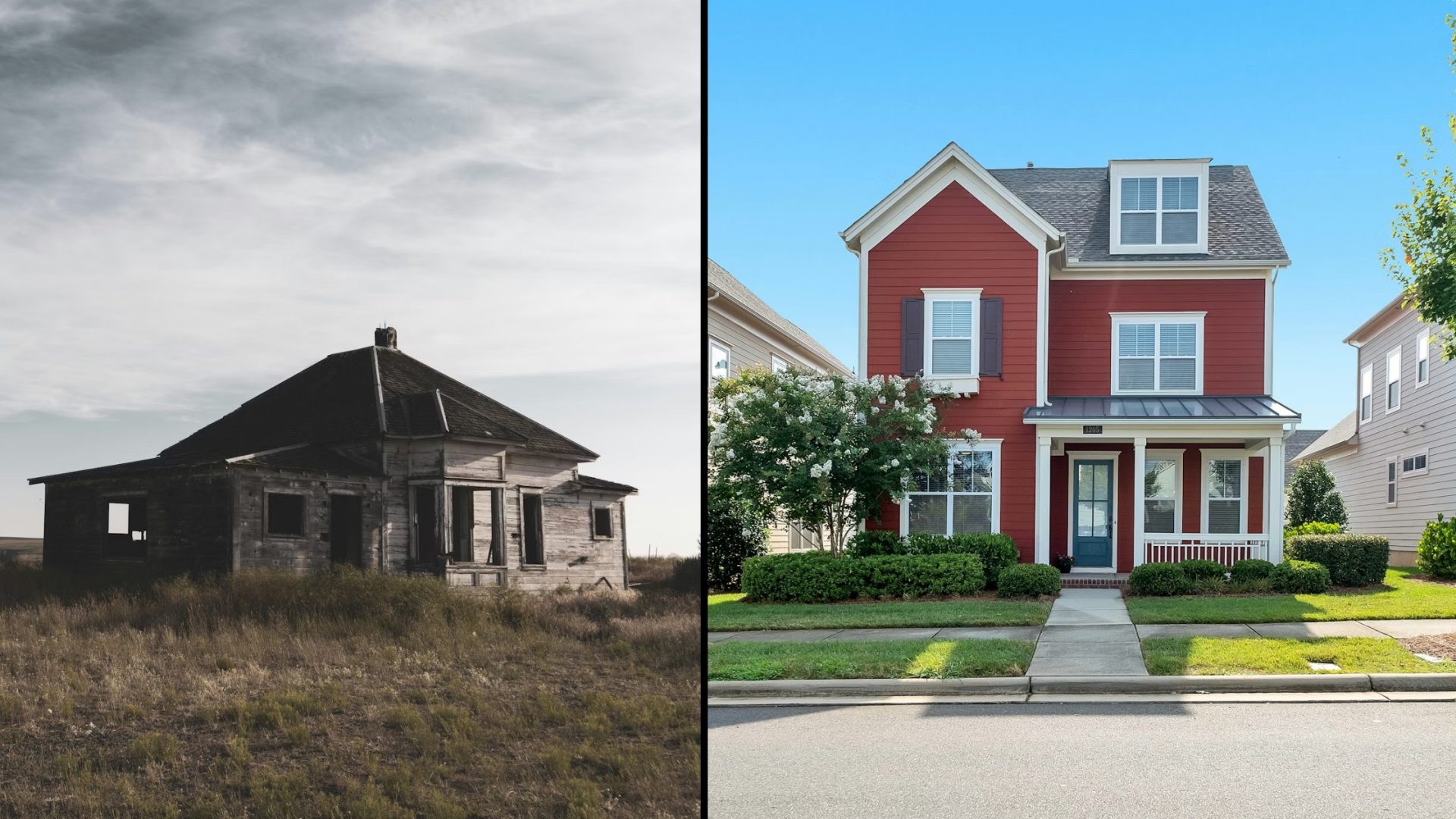
In the 2024 presidential election, almost every major metropolitan area voted for Biden, while most rural counties voted for Trump. In our time, the deepest divide isn’t between regions and states, but between urban and rural. Even in deep-blue states like New York, California, and Oregon, you can plainly see it—blue cities surrounded by red rural countryside.
Political colors don’t measure righteousness, but they do reveal a deep cultural difference that should not be ignored. The problem isn’t the existence of cities. Scripture affirms that God blesses them (Deut. 28:3), and even celebrates one ultimate city—the “city of God,” where “There is a river whose streams make glad the City of God, the holy habitation of the Most High” (Ps. 46:4). Urban regions can flourish under God’s rule. But the modern city is uniquely vulnerable because it has lost something ancient cities possessed: accountability and connection.
The Lost Soul of the Modern City
Ancient cities were tighter, relationally and morally. Jonah preached to Nineveh, and the whole city—including the king—repented together. People lived close together; they shared life openly. There was no escaping community. Today, however, cities allow for isolation. Air-conditioned homes, tinted car windows, and digital screens shield us from human interaction. We have replaced the temple square with the office cubicle and the marketplace with Amazon Prime.
In ancient times, cities had a cultural and spiritual center—often a temple or civic gathering place. Contemporary cities lack a communal soul. Without a shared moral center, they have become both crowded and isolated. If urban centers restore a shared sense of responsibility and real connection, they could flourish again as living communities rather than faceless crowds. Scripture assumes access between people and their leaders—Proverbs 23:1 says, ‘When you sit down to eat with a ruler, observe carefully what is before you.’ In our day, such access feels almost impossible. Bureaucracy and sheer size have replaced trust and relationship, leaving our cities vast, crowded, and spiritually disconnected.
Disconnected From Nature
When a city forgets the garden, it loses touch with the natural world. The heavens declare the glory of God (Psalm 19), but city lights declare the glory of man–skyscrapers that block the stars and asphalt that covers the soil. And this distance from creation subtly disconnects people from the Creator.
During seventeen years in law enforcement, one of the most memorable experiences I had was taking a group of inner city kids to see the ocean for the first time. I’ll never forget their faces—awed and speechless. Most of them had never seen anything so vast. Their reaction reminded me how spiritual poverty often begins with disconnection from creation.
Entangled In Pluralism
Yet perhaps the greatest challenge facing cities today is not isolation or disconnection—it’s pluralism. Urban centers preach tolerance as their highest virtue, celebrating every worldview as equally valid. The result is moral confusion. Ancient cities had idols; modern cities have ideologies. But the effect is the same: truth becomes relative, and sin becomes subjective.
Even so, Scripture reminds us that the story of redemption moves not away from the city, but toward one—the New Jerusalem. Yet that future city will not look like the concrete jungles of today. It will resemble the garden more than the grid, a city redeemed and rooted again in creation’s order and God’s peace. The city of God will combine the beauty of the countryside with the richness of community.
The Hope of Local Renewal
That’s why the preservation of rural life—and local life more broadly—matters. Rural communities remind us of creation, accountability, and interdependence. They keep us close to the land, to one another, and rooted in the church, where faith and community intersect.
The hope for our time will not come from the centralization of power in distant capitals or international institutions. The renewal of society—spiritually and culturally—will begin where God always begins: locally. In faithful households. In local congregations. In communities that love their neighbor, honor God’s order, and work the ground He’s given them.
Global change begins with local obedience.
And that is the heart of localism: not isolation from the world, but gospel presence in action— one community at a time.
Photo credit: Unsplash