
Each year on October 31st, children don the costumes of their favorite movie characters and meander up and down suburban streets with the goal of scoring some king-size candy bars. Other children are kept behind the closed doors of their homes or churches celebrating “the harvest” or perhaps Reformation Day, the official Protestant commemoration of Martin Luther’s public posting of the “95 Theses” in 1517. Still more, especially among the several million new arrivals to the US, look around with confusion and perplexity at the strange American customs they’re now seeing for the first time.
Halloween isn’t limited to the US. It’s celebrated in different iterations throughout the world (most notably in Mexico as Dia del Muertos, the “day of the dead”) and increasing in popularity. Amongst a growing cultural taste for the ghoulish and ghastly, Christians have been wrestling more and more with how and in what way they should engage with this increasingly dark and dismal holiday, especially as its focus has shifted from “children, fun, and candy” to “slashers, demons, and witchcraft.” A tell-tale sign of a sick culture is a fascination and preoccupation with the deathly and macabre.
How is authentic Christian witness best promoted on October 31st in the year 2024? For better or worse, Halloween still taps into two things our kids are most focused on: sugar and imagination. As parents, it’s our duty to make sure these are both enjoyed in safe, limited quantities that bring joy and glee rather than bitterness and greed.
Making a Hard-fast Rule
The easiest way to deal with Halloween is to make a hard-fast rule about its celebration or avoidance. We hear versions of this each year. Usually, it’s either, “Halloween is a pagan holiday, and we will have NOTHING to do with it!” or “We’re going to celebrate Halloween whether the legalists like it or not!”
There’s no doubt that some celebrations really can’t warrant any conscionable Christian participation. One that immediately comes to mind is the Carnival celebrations (Mardis Gras in the US) prominent in Brazil. Because the very nature of the holiday is a celebration of sinfulness and the flesh, it’s hard to see how a Christian could justify being a part of it at all.
But Halloween’s history is a bit more complex. It’s a holiday that stretches back into the pagan past (the Gaelic festival of “Samhain”), but it was, at least for a long time, conquered by Christendom (“All Hallows Day”). While there are strains of Christianity that forbid the celebration of anything that could remotely be rooted in paganism (opting for novel holidays or Christianized versions of Jewish ones), what has been much more typical across Church history is a Christianizing of formerly pagan holidays. It could be argued that Zechariah 13:2 (“It will come about in that day,” declares the LORD of hosts, “that I will cut off the names of the idols from the land, and they will no longer be remembered;) suggests that is the way it’s meant to be.
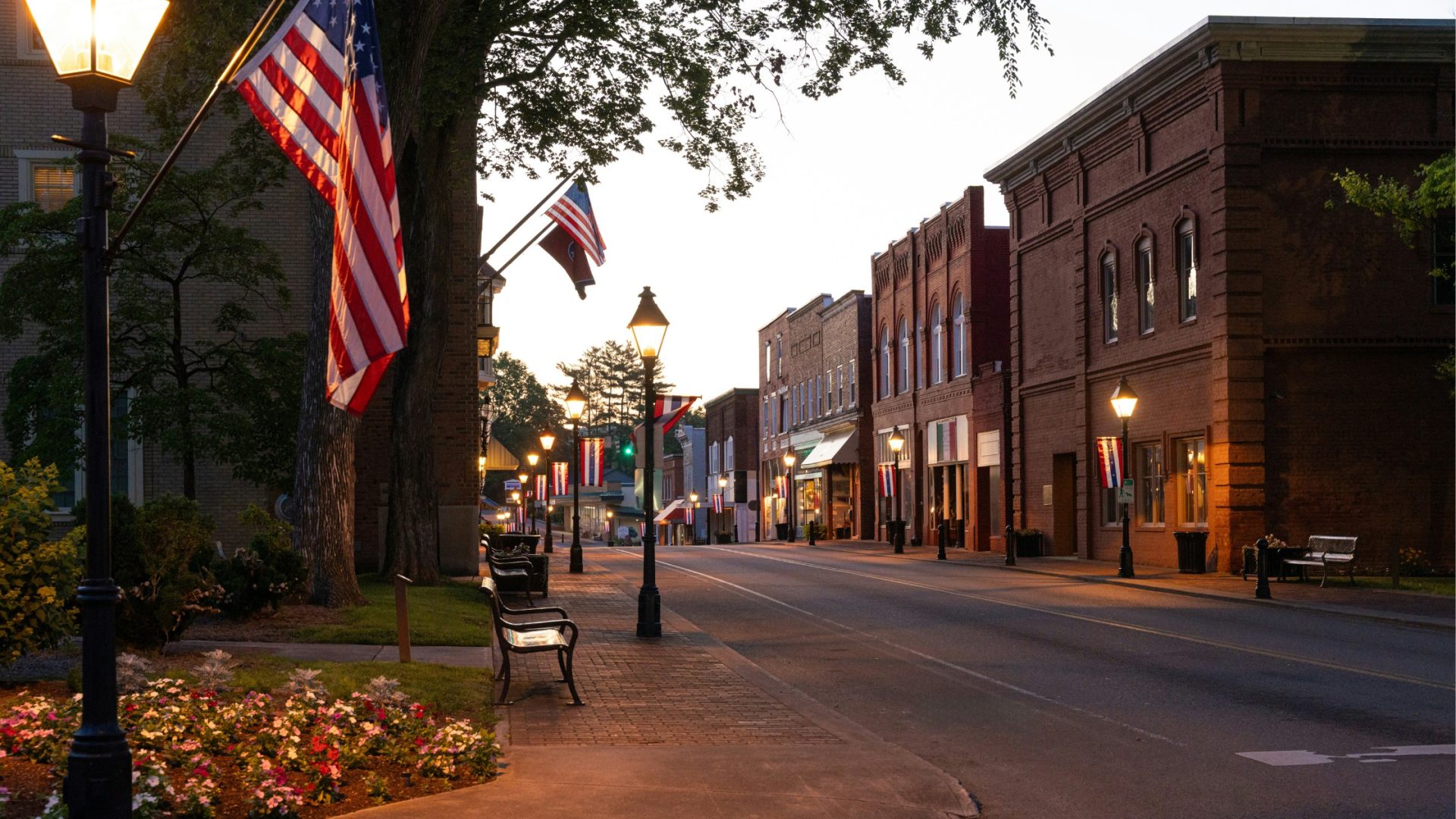
If you make a hard-fast rule, then you don’t have to think through your own situation– and many Christians live in different contexts. Having moved to East Tennessee a couple of years ago, I realized the stark contrast of Halloween’s celebration here vs. where I grew up in the Northeast. The southern version of Halloween, at least where I live, is much closer to what my parents described Halloween as being when they were growing up. It’s much more wholesome, child-focused, fun, and less frightening. There are far more cowboys and princesses than slashers and demons. It’s far easier to understand why Christians would completely remove themselves from Halloween celebrations if they live near Salem, Massachusetts than if they live in Bowling Green, Kentucky.
The point is this: Christians are going to come to different conclusions on how to best engage (or not engage) with Halloween depending on the immediate culture surrounding them, as well as the broader culture of their nation. It does no good to hold other Christians to extra-biblical standards when they’re operating in differing contexts. Rather, let’s pursue wisdom in our unique situations.
Here are some specific, practical considerations about whether to celebrate or not celebrate Halloween based on context:
Just Celebrate It
There are some places, especially in small-town America, where It’s the Great Pumpkin Charlie Brown is still somewhat of a reality. Halloween is spooky but not terrifying. One doesn’t need to shield their kids’ eyes while trick-or-treating. In these areas, most Christians probably aren’t going to be asking what they should do, since they’ll just do what they always have. With so many Americans moving throughout the country, you may notice a substantial difference in the level of wholesomeness present in the festivities – enjoy it!
Use the opportunity to talk to your kids about the history of the holiday, especially the belief that “the veil between the dead and the living is thinner” on October 31st, and explain how it is appointed for men to die once and after this comes judgment. (Hebrews 9:27) Use the holiday to share Christ with others by talking about things like fear and death.
Avoid it Completely
As mentioned above, Halloween has become increasingly popular, especially throughout the Western world. Its popularity has not been motivated by a renewed interest in kids or candy, but rather a profound fascination and preoccupation with all things dreadful. Horror movies, haunted houses, and Ouiji Boards mark celebrations. The corporate target age for advertising has gotten higher, as childless adults dress up in their favorite horror character costume and trick-or-treat alongside 3 and 4-year-olds. In many ways, it’s become a profoundly unsafe day for children.
This should be no surprise, as much of the West has raced away from Christianity towards neo-paganism, delighting in child sacrifice, sexual anarchy, and worldly amusements. It should also be no surprise that the places where Halloween is the darkest are also often the places that are the most politically left (the coastal Northwest, New England, New Orleans, etc.).
For Christians in these areas, it may be most expedient to avoid the holiday completely in keeping with their position as true “sojourners in a foreign land.” If you’re already living in a place that warrants a general separation because you don’t have much in common morally with your neighbors, it makes sense to avoid their bleak Halloween celebrations altogether. Protecting your children – their minds and innocence becomes paramount. For a practical analogy, it’s not uncommon for Christian Brazilians to go on vacation during Carnival so they can completely avoid the debauchery associated with it (from what I’ve been told by missionaries there).
Again, this position is also rife with opportunities for sharing the hope of Christ. In a society preoccupied with death, the Light of life shines that much brighter.
Specific Ideas
There are many practical possibilities for capitalizing on October 31st whether your family is celebrating it or not. Here are a few:
- Keep it at home: Growing up, my family did a Halloween hybrid celebration. We had specific traditions associated with October 31st (for example, eating sloppy joes), but we weren’t taken out trick-or-treating. Rather, we got together with another family from church and handed out candy wrapped in gospel tracks. All the kids dressed up and got to eat some candy, so we still felt like we were part of the holiday on a cultural level, but avoided much of the more foreboding parts of Halloween where we lived. This is a great way to capitalize on the evangelistic opportunity of the holiday while protecting (especially young) children.
- Reverse Trick-or-Treat: If you have young kids (especially very cute ones) handing out tracks while trick-or-treating is an easy way to get the gospel into the hands of those who would never ordinarily open their doors to you.
- Plan a Party: If any participation is out of the question, then planning an alternate celebration might be wise. Many have opted for “harvest parties” (which is somewhat comical for non-agrarian people to celebrate) or “Bible character dress-up.” It would be easy to label such parties as “cheesy,” but their necessity is really determined by how dark the festivities are outside.
- Go on a Trip: If you come from a background that was hyper-focused on all things dark and dismal and Halloween is a reminder of a Christless past, then it may be something you want to avoid altogether. Rent a cabin for a night or two. Go on a camping trip. Travel to a place where the celebrations are more wholesome.
- Reformation Day: There is precedent within the Protestant tradition for celebrating the coming of the Reformation on October 31st. Many Christians have understandably moved from Halloween to Reformation Day as their towns and cities increasingly celebrate evil and fear. For those who grew up with a more wholesome Halloween, Reformation Day may sound like a lifeless and academic alternative, but this need not be the case. I knew a family that planned a medieval-style dinner by candlelight and viewed the 2023 film, Luther (or another Reformation-orientated movie) and then discussed the Reformation as a family. Their children looked forward to October 31st as a special day, not one that they were missing out on. Churches especially can capitalize on this day as a time to articulate and encourage awareness about Church history and fundamental Protestant doctrine.
Whatever you decide to do, endeavor to do it with wisdom, discernment, and grace for those who may do things slightly differently. Seek to honor Christ in all things, and make His great name known.
Related Posts
-

The Harvest in the Hallways: A Plea for the Church to Engage Public Schools
Amy Simmons
-

Stewardship Is Not a Budget Line — It Is a Duty
William Fullington
-
The Culture We Can Actually Build
Jon Harris
-
Are We Following The Roman Empire’s Path of Decline? Part 3: An Increased Desire to Live off the State
Seth Brickley